Affordable Housing Solutions for Loveland
Together We Can Solve Our Housing Shortage
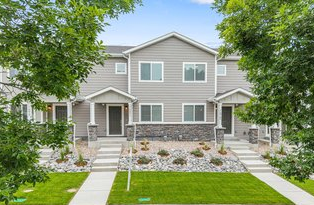
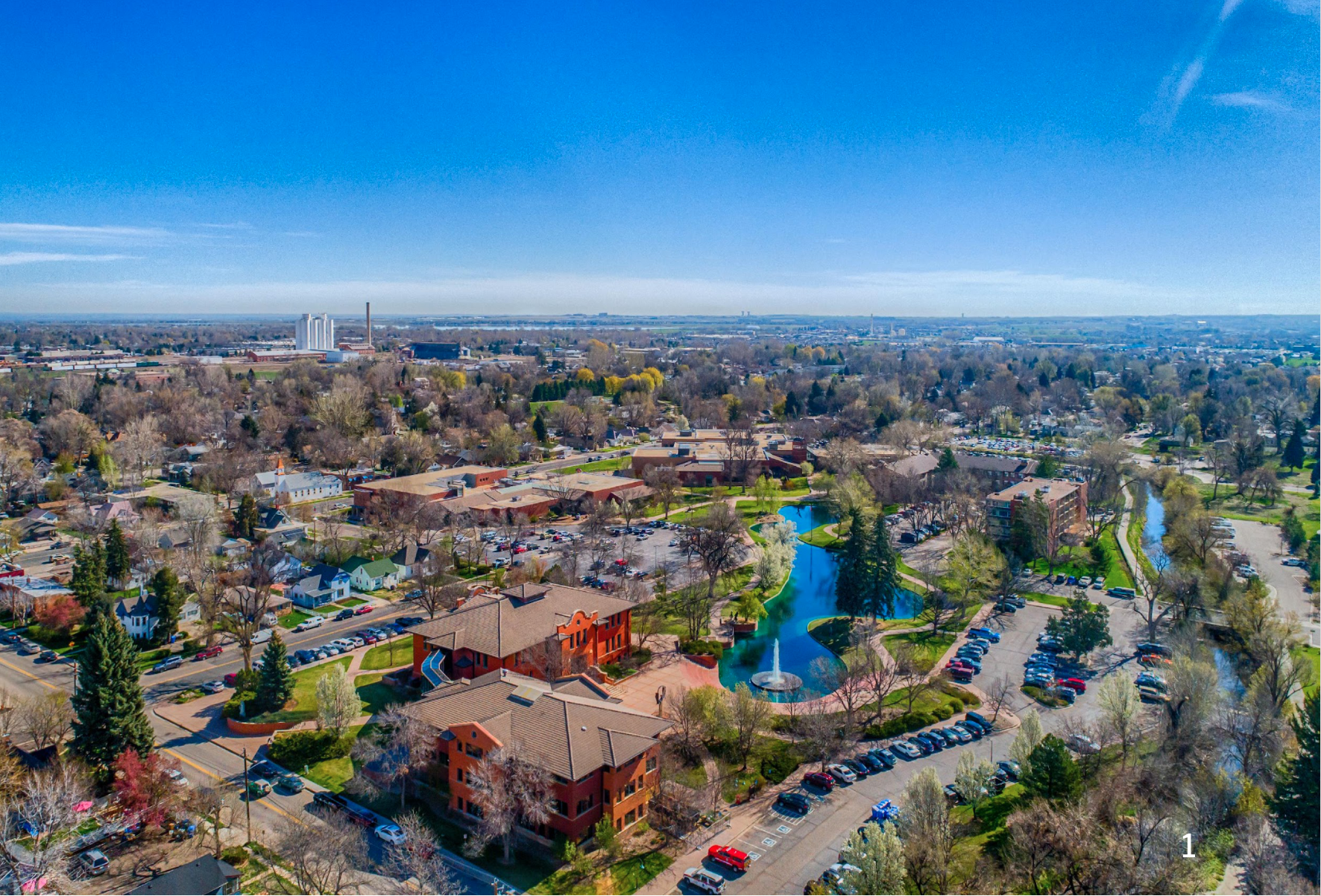
Formed in 2021, we are a community-based task force, working with public and private partners to expand housing options, remove development barriers, and make housing more affordable for all Loveland residents.
Our Role
We study housing trends, advocate for policy changes, and work with city leaders, developers, and nonprofits to increase housing affordability in Loveland.
Why It Matters
Many local workers—and families—can’t afford to buy or rent here.
A diversified housing supply benefits residents, employers, and the local economy.
How We Work
Convene monthly meetings with leaders across sectors.
Identify obstacles to affordability and recommend solutions.
Promote practical policy updates and community partnerships.
Key Accomplishments, 2021-2025:
2022
Commissioned a Regional Housing Study in January from Economic Planning Systems and presented our analysis to the Loveland City Council in August.
2023
Helped update the Unified Development Code to allow smaller homes, duplexes, townhomes, mixed-use housing, and ADUs across Loveland.
2024
Commissioned an Equitable Fee Study that led to the City’s adopting an innovative scalable fee model for Water, Raw Water, and Waste Water Fees, aligning costs with home size.
Advocated for Small Lot Development Standards to make it easier and less expensive to build smaller homes.
2025
Partnering with the City to ensure Proposition 123- eligible affordable projects are approved within 90 days or less.
Working toward state designation as an “ADU-Friendly Community”, unlocking grant funding for Loveland homeowners.
Conducted public outreach, education and advocacy for Legacy Crossing, a new 100% affordable neighborhood that will bring 330 new homes and apartments to Lovelanders.
Hosted three Housing Chats with elected officials during the summer of 2025, with 65+ attendees.
Co-hosted a Housing Panel with the League of Women Voters in October 2025.
2026: Focused Priorities
Explore adoption of a Scalable Capital Expansion Fee Model; promote Small Lot Standards.
Promote Accessory Dwelling Units (ADUs) citywide.
Supportrt the Regional Housing Needs Assessement.
Help the City of Loveland Host a Housing Summit to spur new housing projects.
Explore new housing funding sources, including tax revenue streams, a revoloving loan fund, and state/fedral grants.
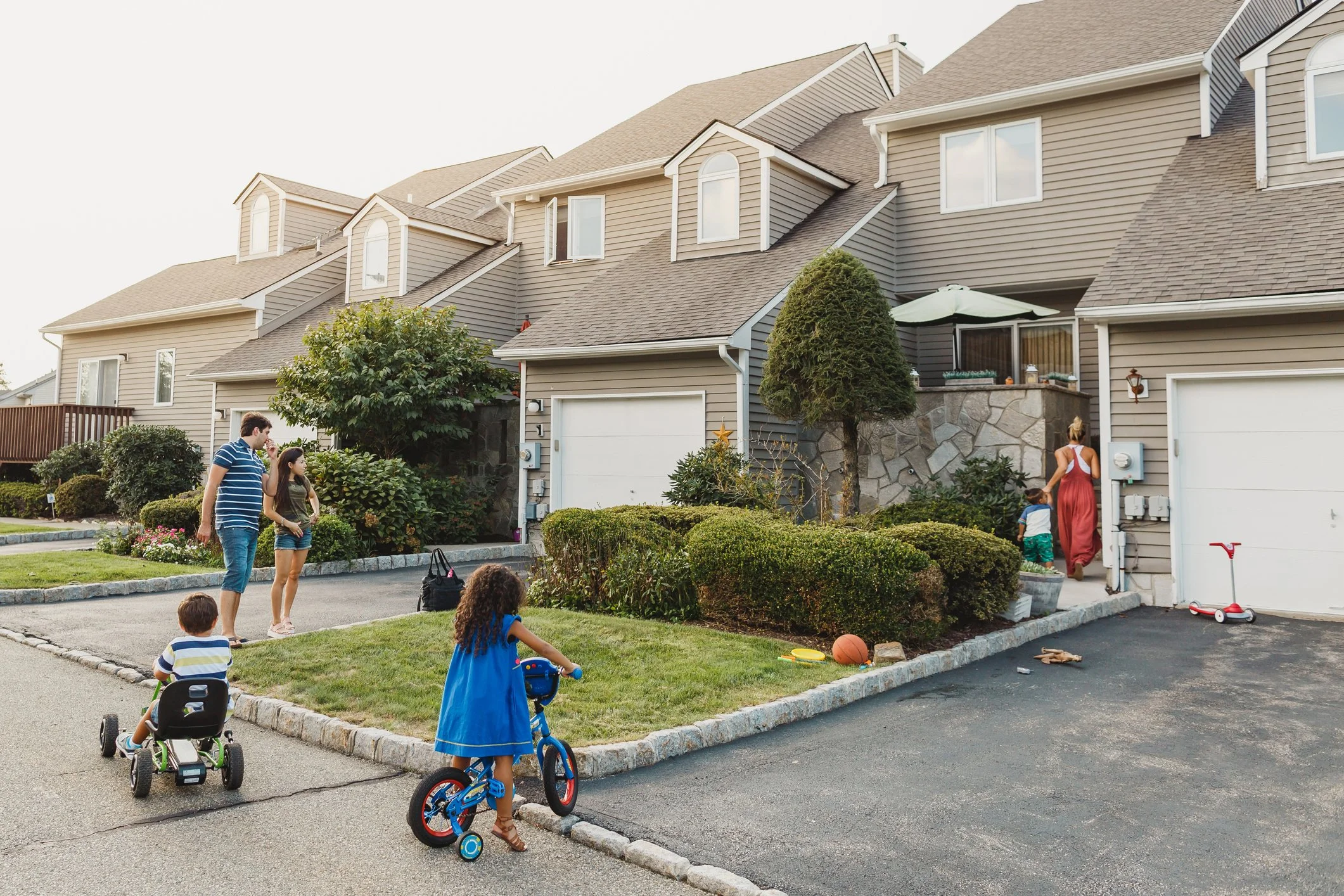
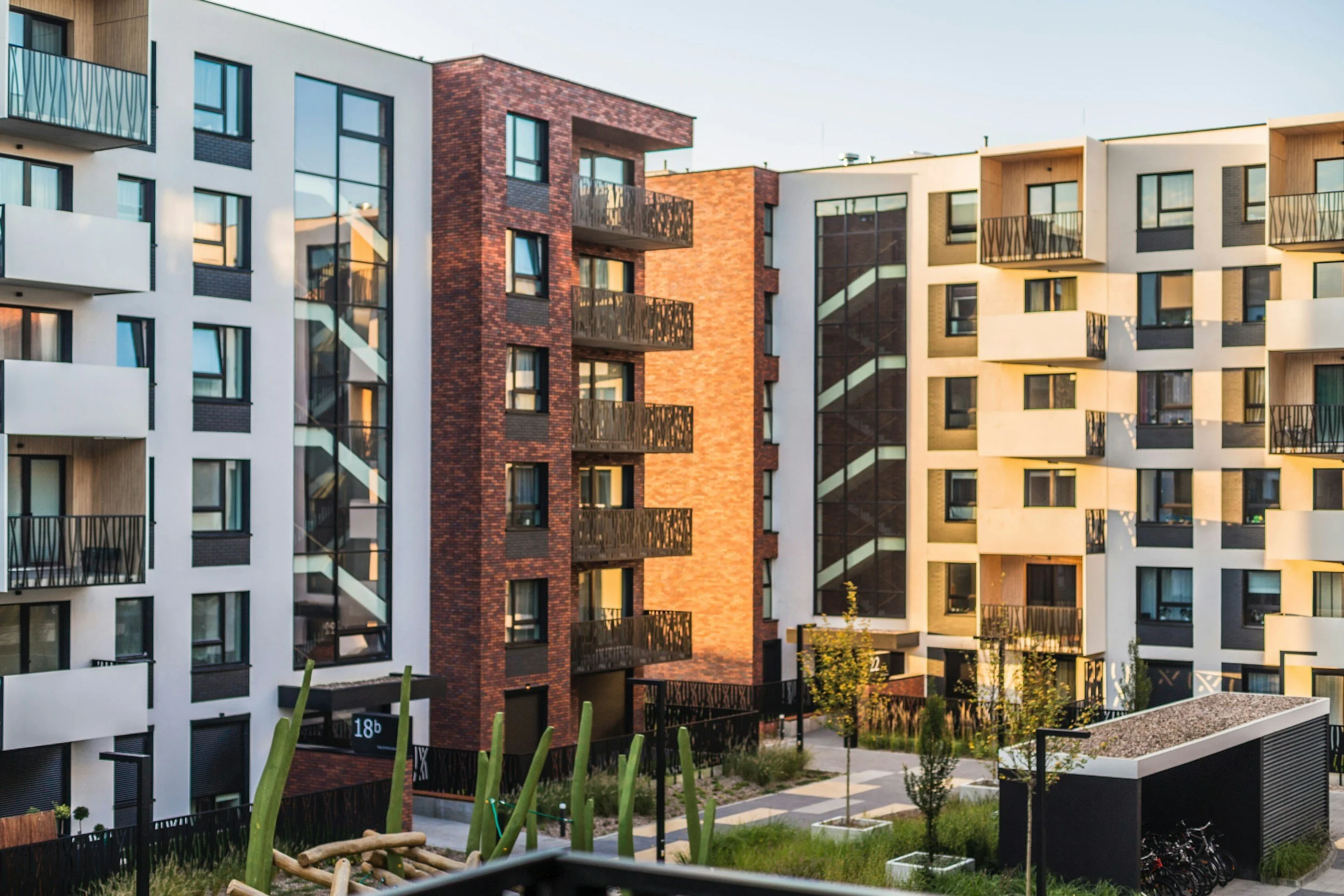
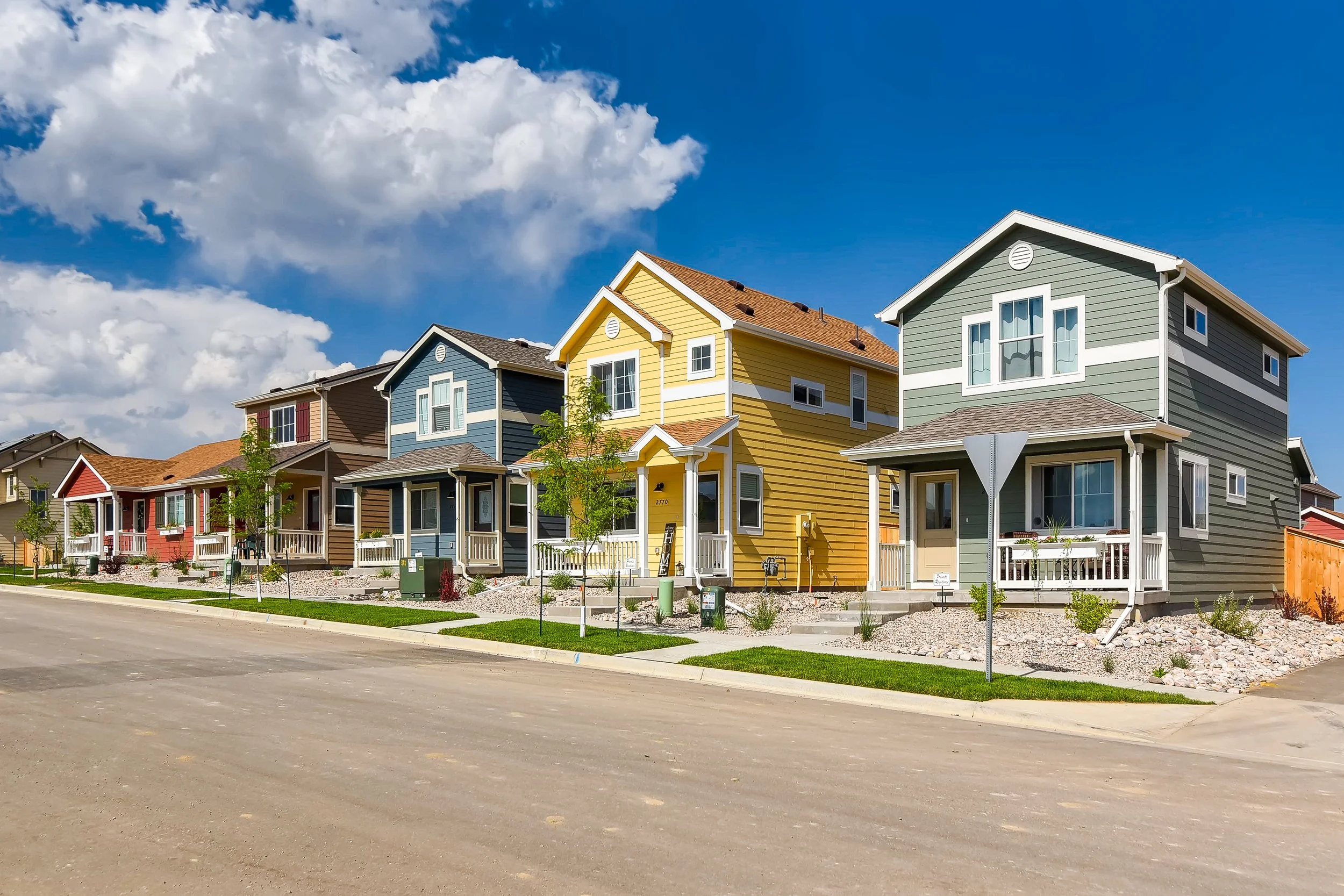
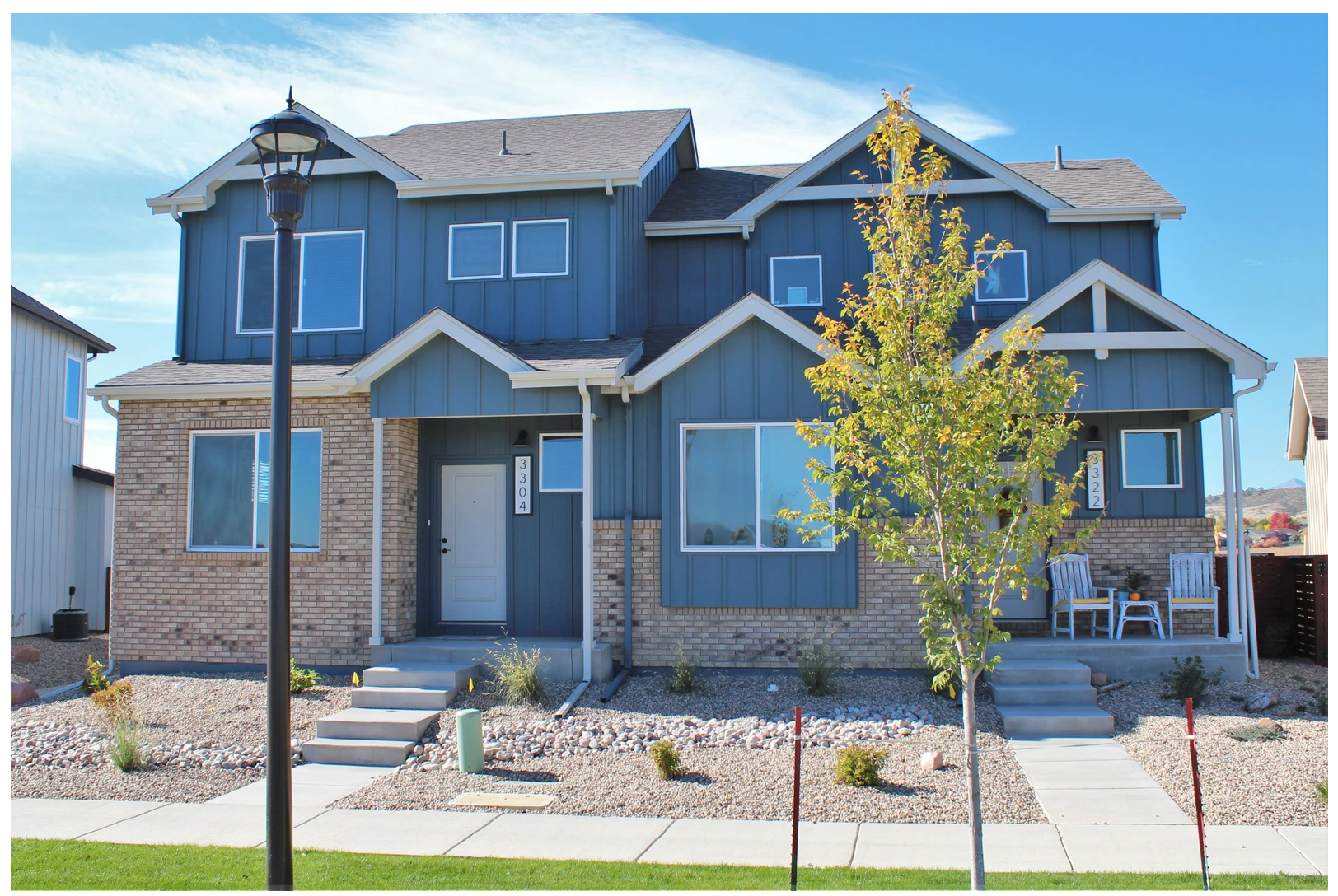
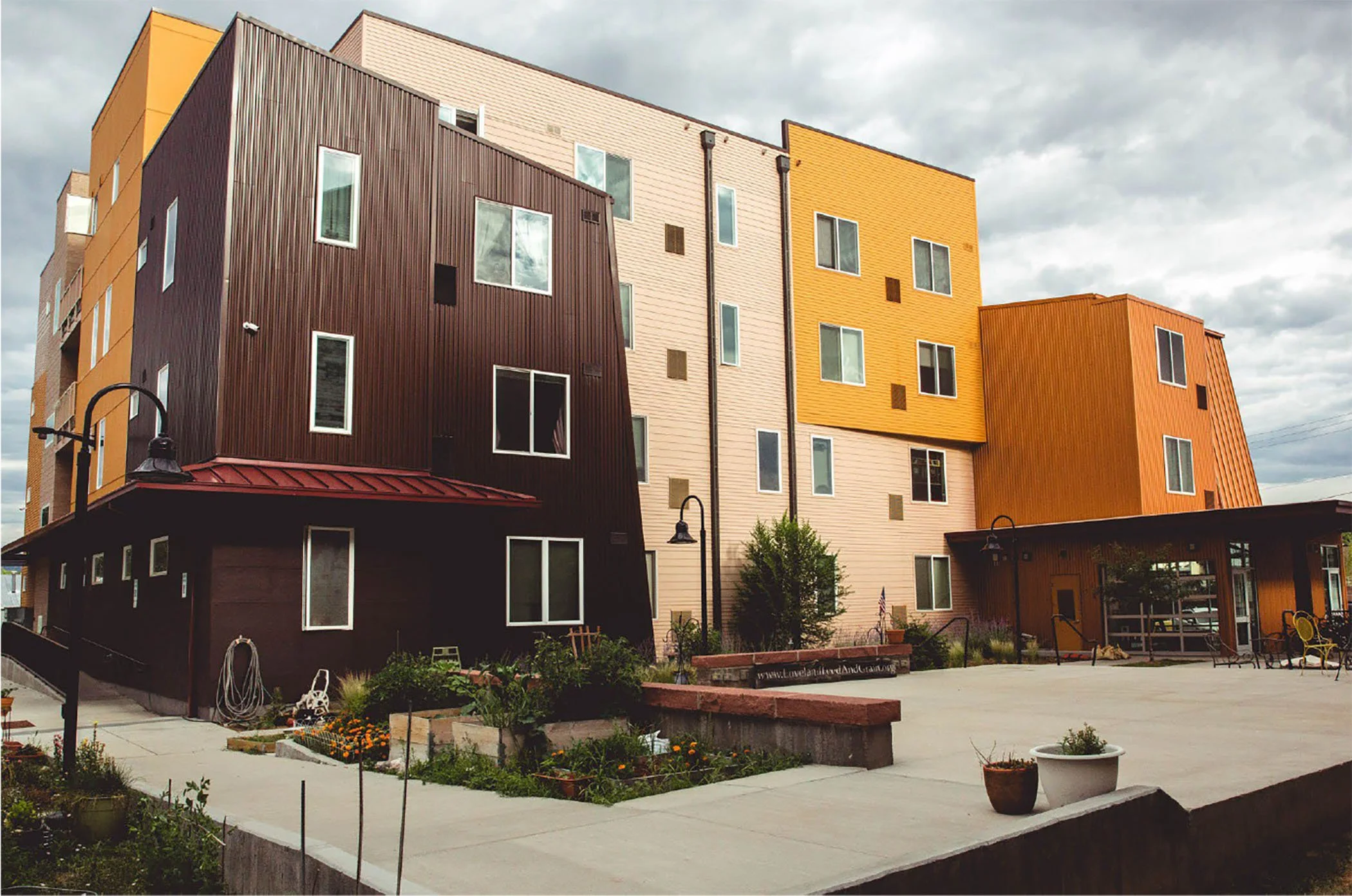
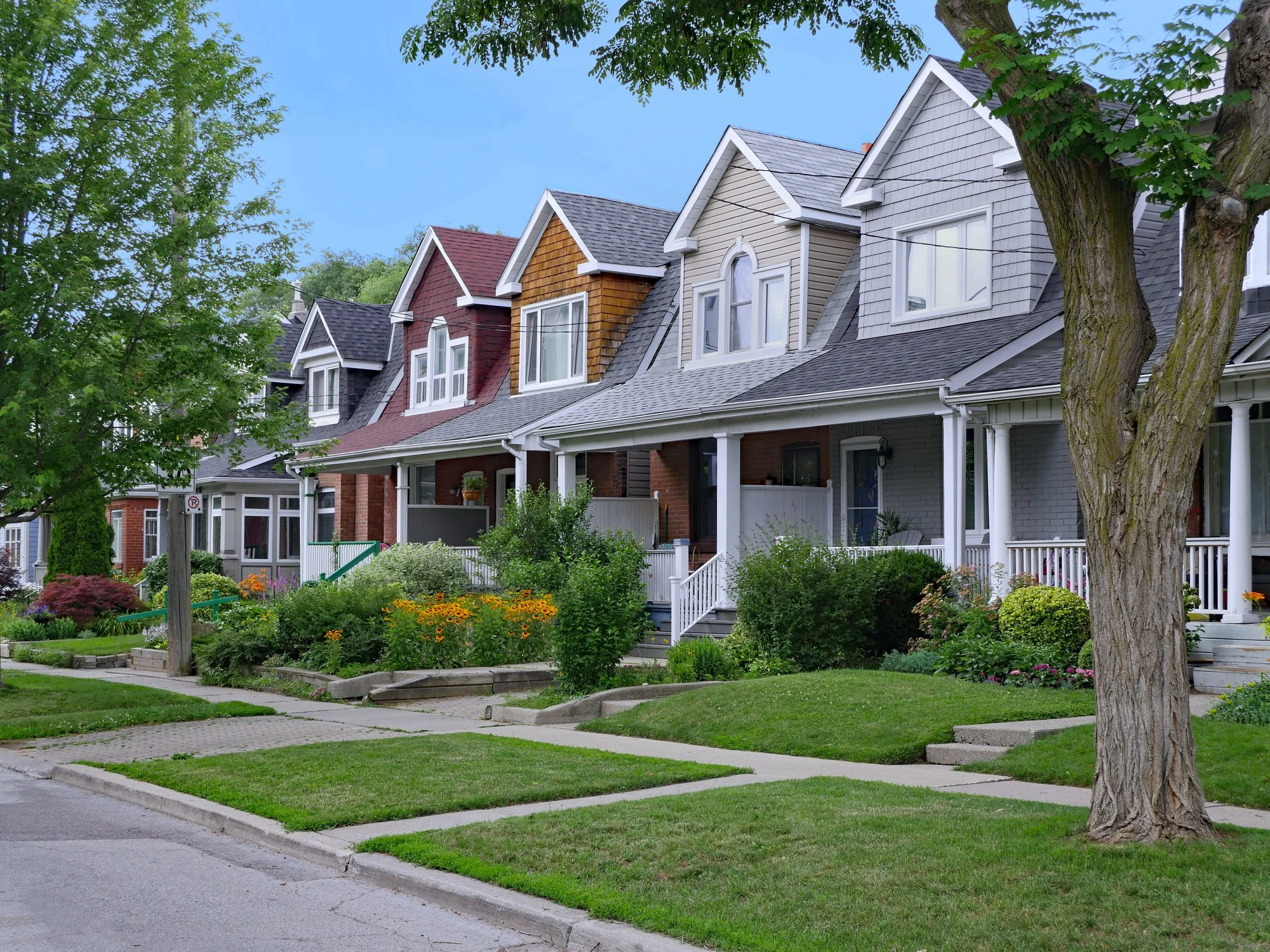
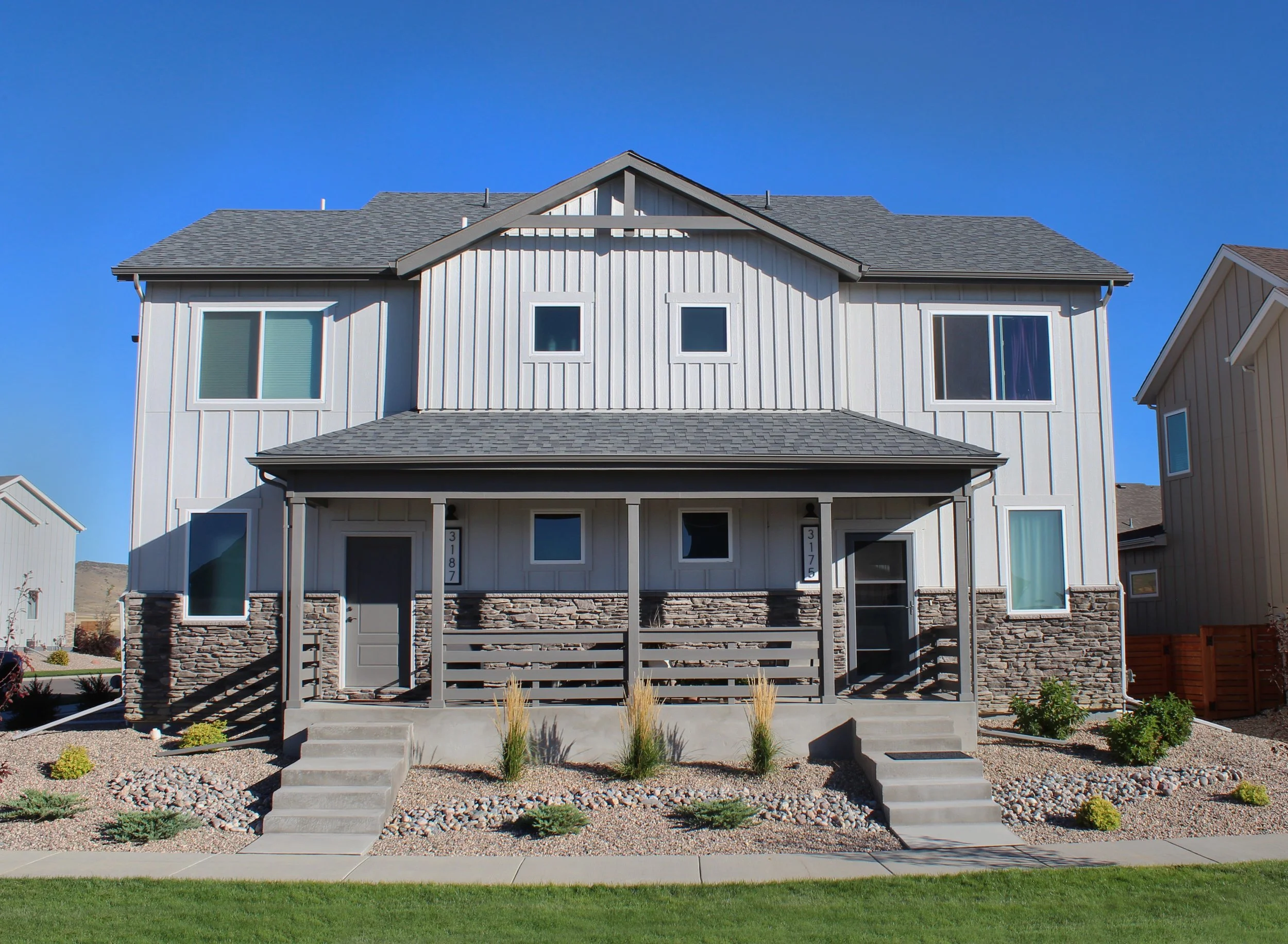
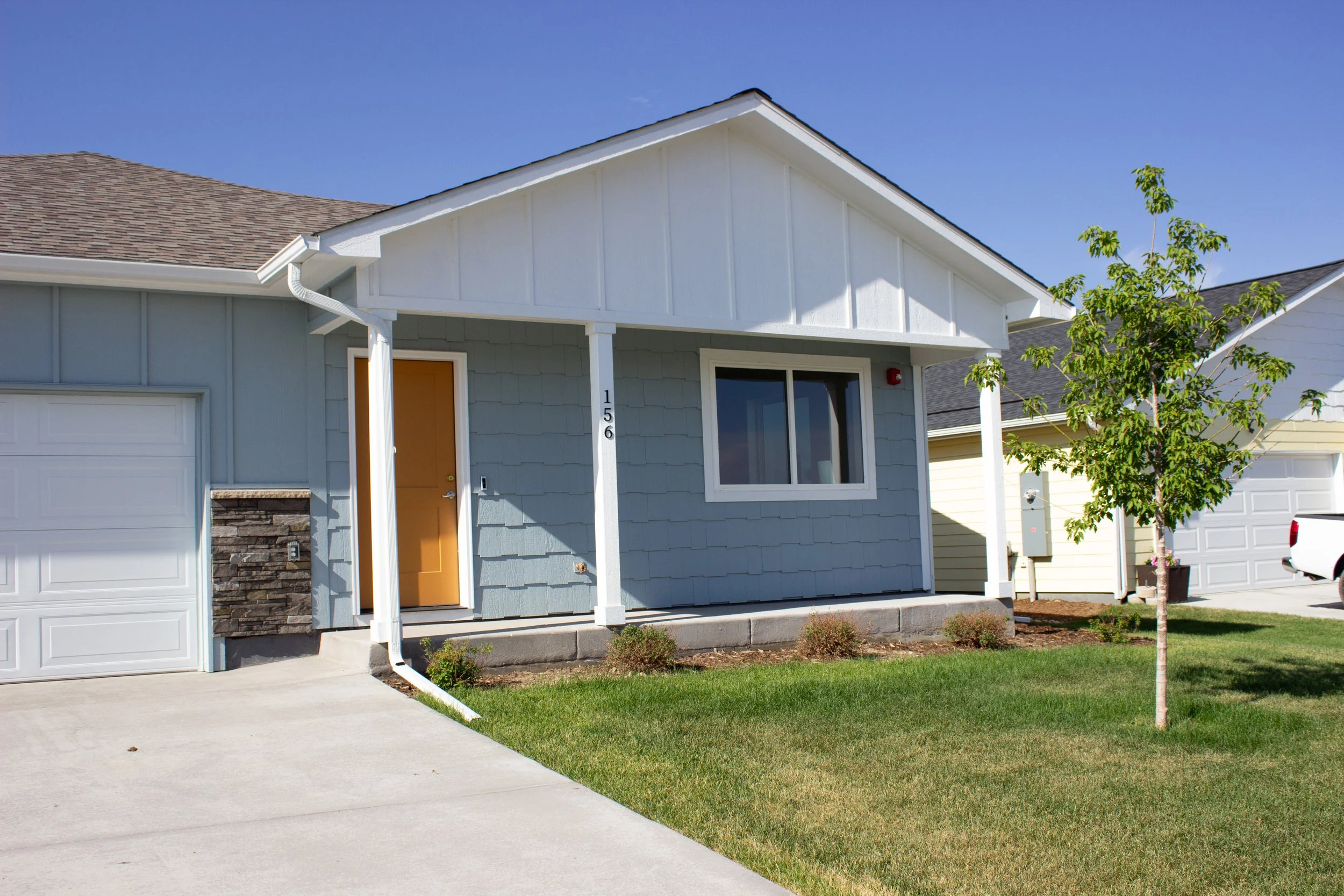
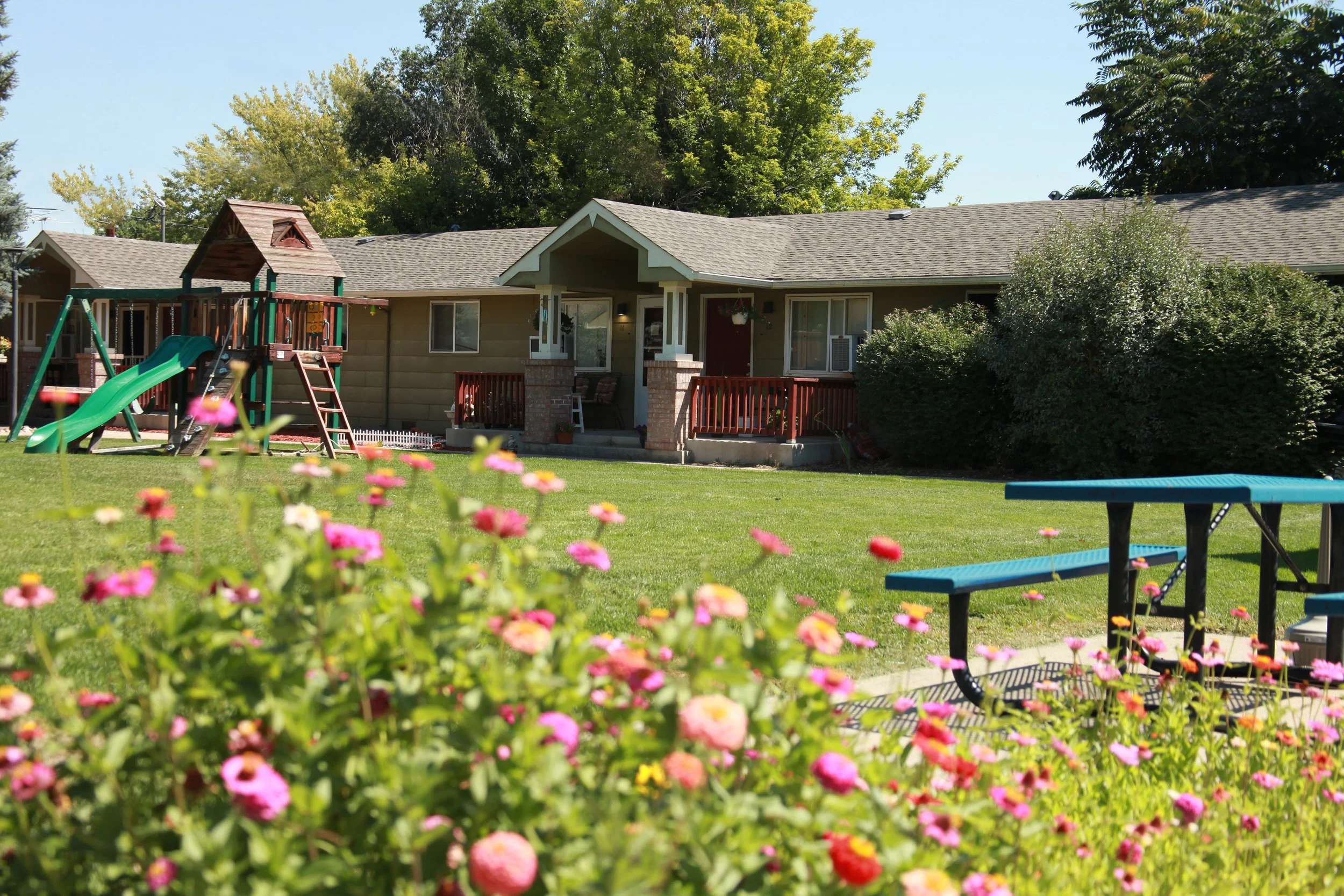
What does Affordable Housing Look Like? Small Homes, Apartments, Town Homes, Condos, Cottage Court Homes, Duplexes, Triplexes, Skinny Homes, Detached ADUs (Accesory Dwelling Units), Fourplexes, Internal ADU Conversions.